What is Decentralized Storage
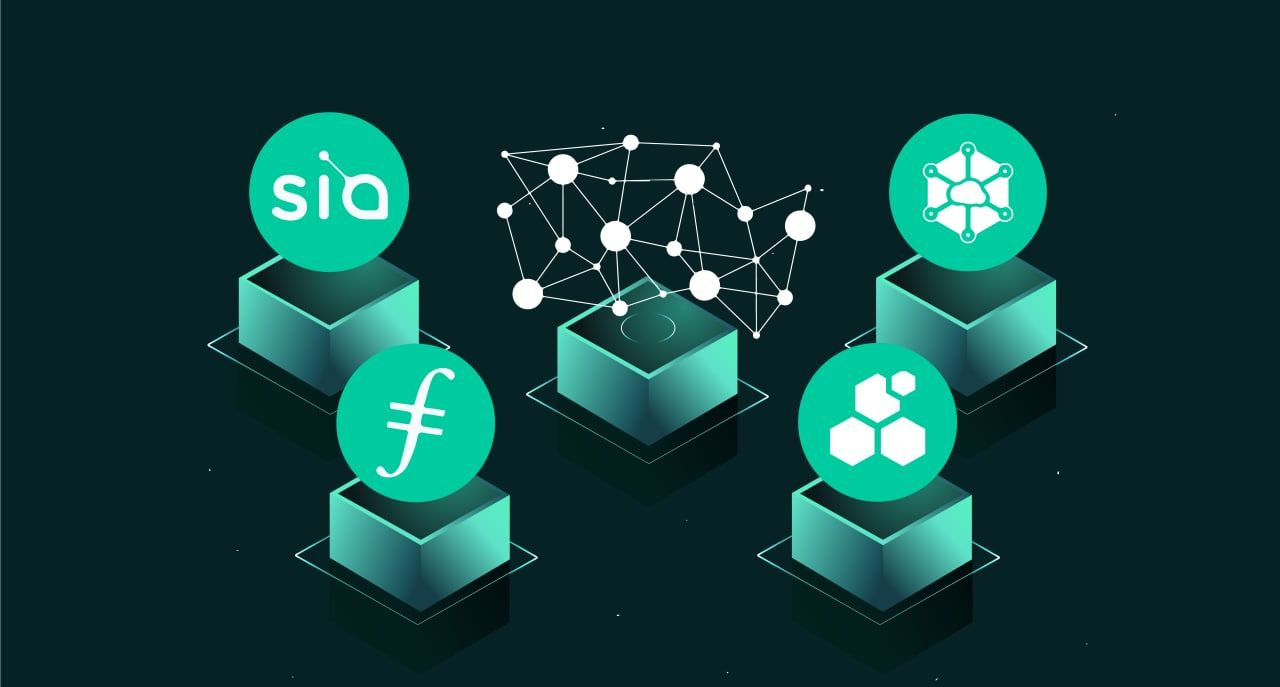
Decentralized storage refers to the use of distributed networks and systems to store and manage data, rather than relying on a central server or authority. In a decentralized storage system, data is distributed across multiple nodes, or computers, in the network.
Advantages of Decentralized Storage
There are several potential advantages to using decentralized storage solutions, including:
- Increased security: Because decentralized storage systems distribute data across multiple nodes, they are less vulnerable to attacks or data loss than centralized systems, which typically rely on a single point of failure.
- Improved reliability: Decentralized storage systems are typically designed to be fault-tolerant, which means that they can continue to operate even if some of the nodes in the network fail. This can make them more reliable than centralized systems, which can be vulnerable to outages or other disruptions.
- Greater control and ownership: With decentralized storage solutions, users have more control over their data because it is not stored on a central server that can be accessed by a third party. This can give users more confidence in the security and privacy of their data.
- Lower costs: Decentralized storage solutions can often be more cost-effective than centralized systems because they can leverage the resources of many different nodes in the network, rather than relying on a single, expensive server.
Disadvantages of Decentralized Storage
While decentralized storage solutions offer several potential advantages over centralized systems, there are also some potential disadvantages to consider, including:
- Limited scalability: Decentralized storage systems can often struggle to scale to meet the growing demands of users, especially when compared to centralized systems that can more easily add additional resources to meet demand.
- Potentially slower access times: Because decentralized storage systems distribute data across multiple nodes, it can sometimes take longer to retrieve data from the network than it would from a centralized server.
- Lack of standardized protocols: There is currently no standardized protocol for decentralized storage, which can make it difficult for different platforms and systems to interoperate and work together.
- Lower data redundancy: Decentralized storage systems typically have lower data redundancy than centralized systems, which can make them more vulnerable to data loss in the event of a node failure.
Examples of Decentralized Storage solutions
There are several examples of decentralized storage solutions, including:
- InterPlanetary File System (IPFS): IPFS is a decentralized protocol for storing and sharing files. It allows users to share content directly with each other, rather than relying on a central server to host the data.
- Filecoin: Filecoin is a decentralized storage network that uses a blockchain and cryptocurrency to incentivize users to provide storage space to the network.
- Storj: Storj is a decentralized storage platform that uses encryption and distributed hash tables to store data across a network of nodes.
- Sia: Sia is a decentralized storage platform that uses blockchain technology to create a marketplace where users can buy and sell storage space.
These are just a few examples of decentralized storage solutions. There are many other similar platforms and protocols that are being developed and used by individuals and organizations around the world.

Comments